 Janice Mariana
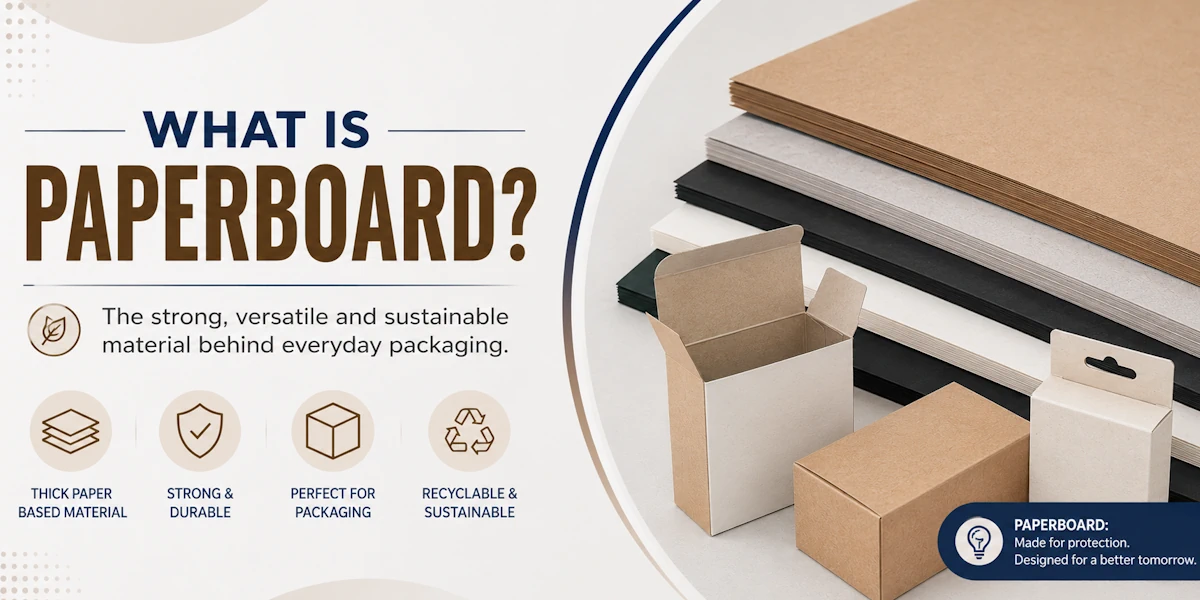
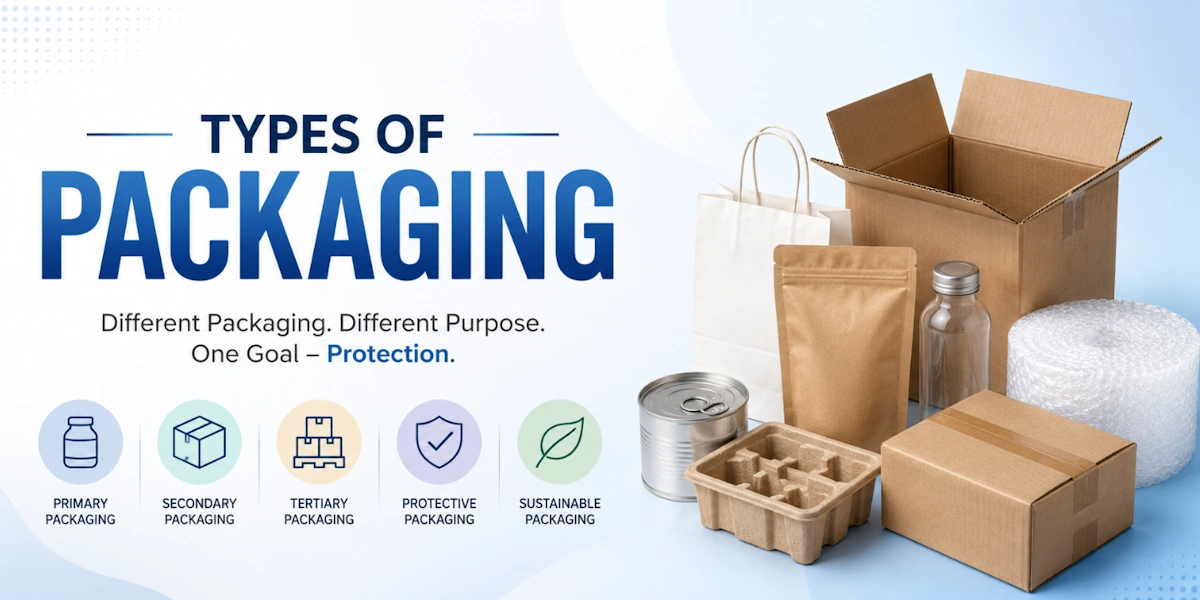
Paperboard is a thick, paper-based material typically over 0.3 mm thick. It is stronger and more durable than regular paper and is popular for being a lightweight yet sturdy material. It is one of the well-known materials used in modern packaging. Common examples include cosmetic packaging boxes, milk cartons, and cereal boxes.
In this blog, you will learn about different types of paperboard, how it’s made, and a brief history.
A Brief History of Paperboard
Paperboard has been around for more than two centuries. The first box made from paperboard was produced in 1817 England. It was a small invention that changed how products were packaged.
By the late 1800s, paperboard had become widely used in the U.S. and Europe. It was used for packaging everyday consumer goods like soap, tobacco, and cereals.
In 1879, Robert Gair changed the industry by inventing the folding carton through die-cutting and creasing. This allowed the mass production of pre-cut and pre-folded boxes, making packaging faster and more efficient.
Throughout the 20th century, technological advancements improved the strength, print quality, and versatility of paperboard. Coated and multi-layer types such as SBS (Solid Bleached Sulfate) and CRB (Coated Recycled Board) were introduced.
Today, paperboard remains a key material in sustainable packaging. Its eco-friendly nature makes it a preferred alternative to plastic across many industries.
Types of Paperboard
Different packaging requires different types of paperboard. Here are the main ones that are popularly used:
-
Solid Bleached Sulfate (SBS)
Solid bleached sulfaste is made from bleached virgin wood pulp. It is white inside and outside. It offers a smooth, high-quality surface perfect for detailed printing. Ideally used in cosmetic boxes and medical packaging.
-
Coated Unbleached Kraft (CUK)
This is produced from unbleached wood pulp. CUK paperboard is naturally brown or grey in color. It is popular for its strength and durability. Perfect to use for beverage carriers and food packaging.
-
Coated Recycled Board (CRB)
CRB is made from recycled paper fibers, also called White-lined Chipboard (WLC). It’s a cost-effective and eco-friendly packaging solution. Common examples include cereal boxes and dry food packaging.
-
Chipboard
Chipboard is made entirely from 100% recycled paper. This is typically brown or grey in colour. Common uses of chipboard are notepad backing and rigid boxes.
-
Folding Boxboard (FBB)
FBB features multiple layers with a bleached top layer. It’s lightweight, flexible, and easy to fold. Popular uses are frozen food and pharmaceutical packaging.
How Paperboard Is Made
The paperboard manufacturing process involves several careful steps.
-
Raw Material Sourcing:
Paperboard is made from virgin wood pulp or recycled paper fibers. It comes from sustainably managed forests, while recycled fibers help reduce waste and environmental impact.
-
Pulping:
By using mechanical or chemical methods, the raw materials are processed into pulp. Mechanical pulping grinds wood into fibers. Chemical pulping breaks them down using heat and chemicals. This creates stronger and cleaner fibers.
-
Refining & Bleaching:
The pulp is refined to improve fiber bonding. This gives the paperboard its strength. It’s then bleached to achieve the desired brightening and color, especially for white or printed boards.
-
Stock Preparation:
Next, the pulp is mixed with water, fillers, and other additives to form a thin mixture. This mixture is known as stock. These additives help improve printability, smoothness, and surface finish.
-
Forming the Sheet:
The stock is poured onto a moving wire mesh where water drains out. Once done, the fibers start bonding together to form a wet sheet. This step specifies the paperboard’s thickness and uniformity.
-
Drying:
The damp sheet passes through a series of heated rollers. This step removes most of the moisture. By the end of this stage, the material becomes firm and solid.
-
Calendering:
In this step, the dried paperboard is pressed and smoothed through rollers. This achieves a uniform surface, thickness, and glossy or matte finish depending on the use.
-
Coating (Optional):
A thin clay or polymer coating may be applied to one or both sides. This layer upgrades the board’s appearance, adds brightness, and makes it ideal for high-quality printing.
-
Cutting & Finishing:
The paperboard is cut into sheets or rolls as per the size requirements when they are coated and dried. It’s then packed and prepared for shipment to packaging manufacturers.
-
Quality Control:
Finally, each batch undergoes testing for strength, thickness, smoothness, and print performance. This makes sure the material meets quality standards before being delivered to customers.
Final Thoughts
Paperboard may seem simple, but it plays an important role in modern packaging. Its strength, lightness, and eco-friendly qualities make it ideal for brands and consumers preferring sustainable, high-quality packaging solutions.